Shape a Sustainable Future
From climate change to rapid globalization, today’s most urgent environmental challenges demand thoughtful, informed policy solutions. Lehigh University’s M.A. in Environmental Policy prepares you to lead the way.
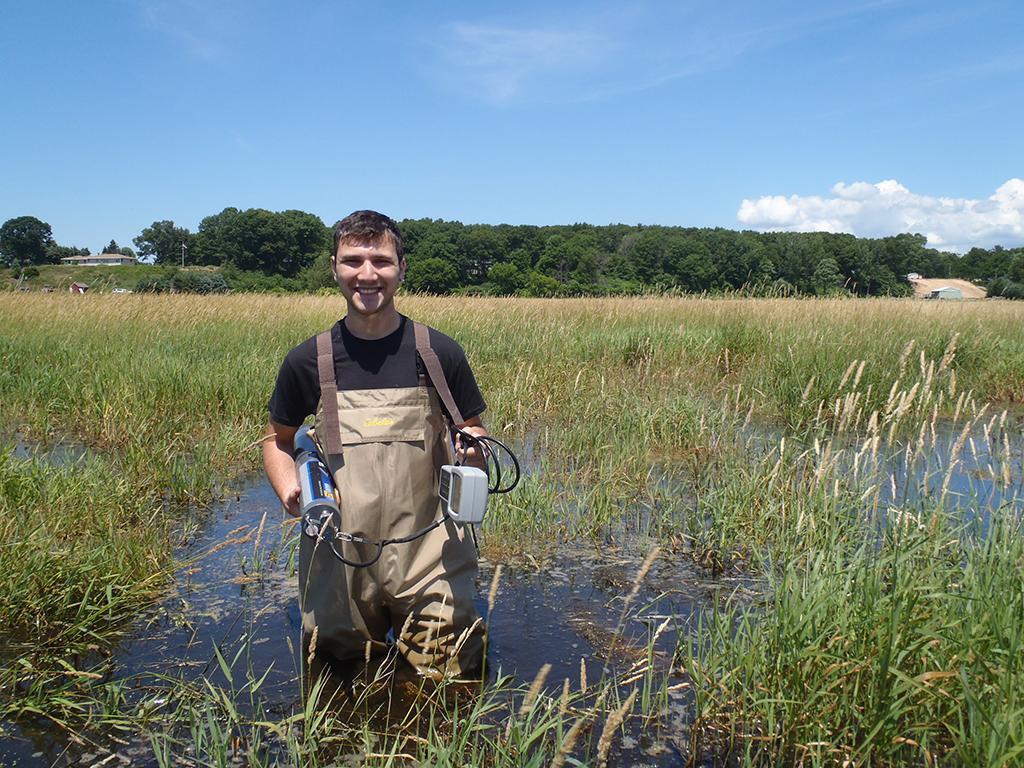
Through a combination of rigorous coursework and hands-on experience, you’ll build a deep understanding of the legal, political, and social frameworks that shape environmental decision-making locally and around the world. As part of the program, you’ll engage directly with environmental issues and the organizations working to solve them, participate in an internship and service-learning projects, and partner with local organizations through the Community Fellowship program--gaining professional experience while applying your learning to real-world challenges. You may also choose to enhance your studies with certificates designed to complement your goals.
Whether you envision yourself guiding corporate sustainability initiatives, influencing public policy, or advancing community-based solutions, our Environmental Policy program will equip you with the tools to make a lasting impact.
Ready to learn more? Fill out the form to request more information about the program and take the next step toward a career in environmental leadership.
Supporting Positive Student Outcomes: College of Arts and Sciences (CAS)
9:1
Student to faculty ratio
94%
CAS graduate students receiving funding to support their education


Industries
- Government (41%)
- Higher Education (24%)
- Healthcare (18%)
- Energy (6%)
- K–12 Education (6%)
- Nonprofit (5%)
Certificate Options
Enrolled students can choose to pursue certification in the following areas of concentration:

Why Lehigh?
At Lehigh, you’ll find the right balance of academic rigor, personal support, and practical experience that sets our M.A. in Environmental Policy apart. With us, you’ll benefit from:
Admissions Requirements
Wondering how to apply to our M.A. in Environmental Policy program? Here’s what you need to know:
Application Deadlines
- Spring: November 1
- Summer: April 1
- Fall: June 30
What You Need to Apply
- Completed online application
- $50 non-refundable application fee
- Official transcripts (unofficial transcripts are acceptable for application review)
- Two letters of recommendation
- Personal statement
- Resume/CV
Demonstrated English proficiency (if applicable)
To be considered for a Community Fellowship, please include a statement of interest with your application.
FAQs
When is the final deadline to apply?
Application deadlines depend on when you plan to start the program:
- For a spring start, the final day to apply is November 1
- For a summer start, final applications are due on April 1
- For a fall start, applications are due by June 30
When do classes start?
The start date for classes also depends on when you expect to begin the program:
- For a spring start, classes begin in late January
- For a summer start, classes begin in late May
- For a fall start, classes begin in late August
How long does the degree take to complete?
To earn an M.A. in Environmental Policy, students must complete 30 credit hours (or 10 courses), which typically takes one calendar year.
All students take three core courses and complete a master’s thesis or a semester-long internship. Students who participate in the Community Fellowship may count their fellowship toward the internship requirement.
Are scholarships available?
There are opportunities for teaching assistantships, scholarships, and the distinguished Community Fellowship in the Environmental Policy program.
What is included in a Community Fellowship?
The Community Fellowship provides a selective opportunity for students to combine graduate coursework with hands-on community engagement. Fellows are placed in local government, nonprofit, or community organizations where they gain professional skills, practical experience, and community networks. Community Fellows work with a partnering agency for 15-20 hours a week, and receive significant financial support that covers 2/3 of the tuition costs.